

College of Economics Strengthens Academic and Administrative Readiness
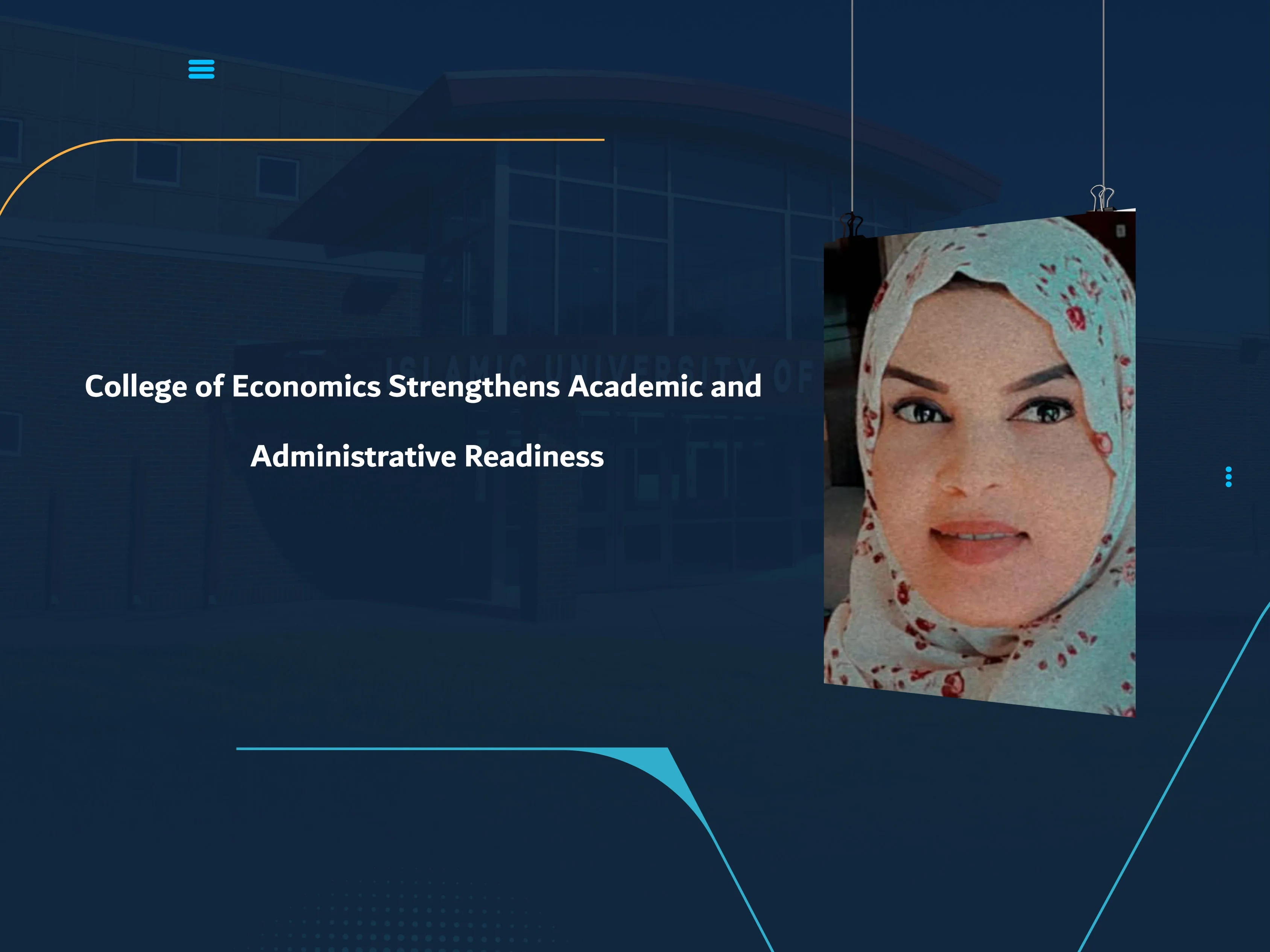
As part of its early preparations for the First Semester of the 2026-2027 Academic Year (1448 AH), the College of Economics and Business Administration at the Islamic University of Minnesota - Main Center intensified its preparatory efforts by holding two comprehensive meetings chaired by Associate Professor Dr. Shireen Mamoun, Dean of the College. These meetings formed part of an integrated readiness plan aimed at enhancing academic and administrative preparedness, aligning institutional priorities, and creating an educational environment that will ensure a successful start to the new academic year.
The first meeting was held on Tuesday, June 9, 2026, with the participation of department heads, deputy heads, and members of the College Council, while the second took place on Tuesday, June 16, 2026, bringing together members of the College Council and faculty members. Both meetings focused on reviewing strategic priorities for the coming semester, evaluating departmental readiness, and discussing implementation plans for the upcoming academic year.
At the beginning of the meetings, Dr. Shireen Mamoun commended the dedication and achievements of the College's faculty members and academic leaders during the previous semester, recognizing their significant contributions to enhancing educational quality and strengthening institutional performance. She also conveyed the appreciation of the University leadership for their continued commitment and welcomed the newly appointed faculty members, emphasizing that the success of the upcoming academic year depends on teamwork, effective collaboration, and close coordination among the College's academic and administrative units in fulfilling the mission of both the College and the University.
The meetings featured extensive discussions on preparations for the first semester, during which participants reviewed the readiness of the College's academic departments and programs to receive students. They explored strategies for enhancing the quality and effectiveness of the educational process in accordance with recognized standards of academic quality and institutional excellence. Faculty members were also reminded of their academic and professional responsibilities and encouraged to deliver high-quality instruction that achieves course objectives and strengthens student learning outcomes.
Participants further discussed the implementation of approved study plans and emphasized the importance of ensuring that courses are delivered according to the established academic schedule while completing all course requirements within the designated timeframes. Discussions also covered class scheduling, the allocation of teaching responsibilities, and the effective distribution of academic workloads to maximize the efficient use of the College's human and academic resources.
On the administrative side, the meetings reviewed the responsibilities of the College Council and department secretaries in supporting academic and administrative operations and promoting greater coordination among the College's departments and organizational units. Participants also reaffirmed the importance of complying with the University's policies governing its official educational YouTube channel and adhering to the established regulations for managing and publishing educational content.
Special attention was also given to assessing the readiness of the academic departments and identifying potential challenges that could affect the educational process at the beginning of the semester. Participants discussed several development initiatives aimed at improving academic performance and enhancing educational services. In this context, the Dean emphasized the importance of providing comprehensive academic advising and student support services while fostering a motivating learning environment that enables students to achieve academic success and excellence.
The meetings also addressed strategies for promoting scientific research and expanding academic activities by encouraging faculty members and students to participate actively in conferences, seminars, research initiatives, and scholarly programs. These efforts are intended to strengthen research competencies, enrich the University's academic environment, and further enhance the College's academic and research reputation. Participants also emphasized the importance of implementing quality assurance standards, utilizing continuous assessment mechanisms, and monitoring key performance indicators to ensure the ongoing improvement of both academic and administrative performance.
The meetings concluded with a reaffirmation that the coming academic year requires continued collaboration, shared responsibility, and strong institutional partnerships among all academic departments and administrative units. Participants emphasized that these collective efforts will contribute to providing an outstanding educational experience for students, advancing the University's strategic vision and objectives, reinforcing a culture of quality and institutional excellence, and ensuring a successful academic year that reflects the College's aspirations and further strengthens its academic standing at both the national and international levels.